

Incontinence in Men


Urinary Incontinence – Definition and Introduction
Urinary incontinence in men, an often taboo condition, is a medical condition characterized by involuntary urine leakage. This description of the condition encompasses various forms of incontinence, ranging from slight dribbling to complete loss of control. Men of all ages can be affected by incontinence. However, the risk increases with age, especially after operations such as prostate removal or in the case of diseases like an overactive bladder or an enlarged prostate.

Incontinence in Men – The Most Common Forms
The most common forms of male incontinence include:
- Stress incontinence occurs when pressure in the abdomen increases. This can happen during activities like coughing, sneezing, or lifting heavy objects, leading to involuntary urine leakage.
- Urge incontinence: Characterized by a strong urge to urinate and an inability to hold it. Often caused by an overactive bladder or neurological diseases such as multiple sclerosis.
- Overflow incontinence: This form of incontinence is often caused by a narrowing of the urethra or an enlarged prostate, leading to incomplete bladder emptying and thus overflow.
- Functional incontinence: This is a form of incontinence where physical or mental limitations make it difficult to reach the toilet in time.
Causes of Incontinence in Men
The causes of incontinence in men are diverse and often linked to urological health. The most common causes include:
- Prostate conditions: Both an enlarged prostate and prostate cancer can lead to incontinence, especially after surgical removal of the prostate.
- Neurological diseases: Conditions such as multiple sclerosis or Parkinson's can affect the nerves that control bladder function.
- Injuries and surgical procedures: Operations in the pelvic area can damage the nerves and muscles essential for continence.
Symptoms and Diagnosis of Incontinence in Men
Symptoms of incontinence in men can vary depending on the type of incontinence, but typically include:
- Unexpected urine leakage: This can range from occasional dribbling to a sudden, strong gush of urine.
- Frequent urination: The feeling of urgently or very frequently needing to urinate, even when the bladder is not full.
- Nocturia: Frequent waking at night to urinate.
- Difficulty starting urination: Trouble initiating urination despite the urge to do so.
Diagnosis of Incontinence in Men
The diagnosis of incontinence typically begins with a detailed medical history and a physical examination. Further diagnostic steps may include:
- Urinalysis: To detect infections or other abnormal conditions.
- Bladder diary: A record of drinking and urination habits.
- Ultrasound: To check bladder function and prostate size.
- Uroflowmetry: A measurement of how fast urine flows from the bladder.
These examinations help to determine the specific type of incontinence and plan appropriate treatment.
Treatment Options for Incontinence in Men
Treatment Approaches
Treatment for incontinence in men depends on the underlying cause and the severity of symptoms. Some common treatment methods include:
- Behavioral strategies: Bladder training and double voiding to improve bladder control.
- Pelvic floor exercises: Specific exercises to strengthen the muscles that help support the bladder and control urine flow.
- Medication therapy: Medications that help regulate bladder muscle tone or reduce prostate size.
- Surgical interventions may be necessary to treat more severe cases. These include operations such as the implantation of an artificial sphincter or other reconstructive procedures.
Support and Resources
It is important for men suffering from incontinence to know that they are not alone and that help is available. Specialists such as urologists are important contacts. In addition, self-help groups and counseling services can offer valuable support.
Preventive Measures and Innovative Treatment Technologies in Urology
Preventive Measures against Incontinence in Men
To minimize the risk of urinary incontinence, men can take various preventive measures:
- Regular exercise, especially exercises to strengthen the pelvic floor, can strengthen the muscles that support bladder control.
- A fiber-rich diet is good for digestion. It can prevent chronic constipation and reduce pressure on the bladder.
- Fluid management is important to stay hydrated. By adjusting fluid intake, control over urinary urges can be improved.
- Avoid bladder irritants: Caffeine, alcohol, and acidic foods can irritate the bladder and should be consumed in moderation.
Innovative Treatment Technologies
The treatment of incontinence has made significant progress with the introduction of new technologies and surgical techniques:
- Botulinum toxin injections: These are injected directly into the bladder muscles to calm an overactive bladder and reduce the frequency of urinary urgency.
- Nerve stimulation procedures: Procedures such as sacral neuromodulation can help normalize the nerve signals responsible for controlling bladder and sphincter function.
- Minimally invasive surgical procedures: Techniques such as robot-assisted laparoscopic prostatectomy allow for more precise operations with potentially lower risks of incontinence and erectile dysfunction.
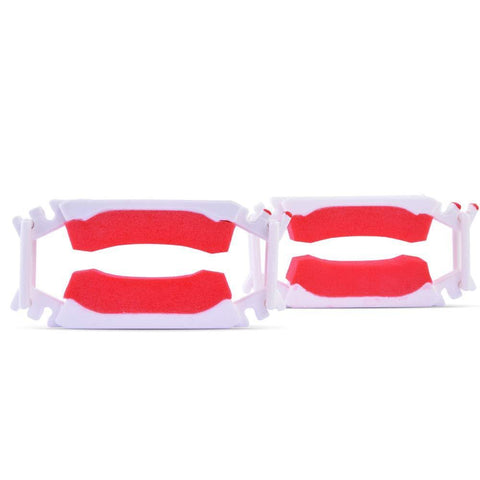
- There are new customizable products for incontinence. These include adjustable clamps and artificial sphincter systems. These products offer better solutions for people suffering from incontinence.
Conclusion
Incontinence does not have to mean the end of an active and fulfilling life. With the right information, support from professionals, and access to modern treatment methods, men can regain control and maintain a high quality of life. For further information or specific advice, it is advisable to consult an experienced urologist. Professional advice can help create the best individual treatment plan and ensure positive long-term results.
Equipped with this information and resources, men are better prepared to deal with incontinence and take proactive steps to improve their health and well-being.


